
GMB Appointment Link Optimization: Local SEO Strategies
“To predict the future, create it.” — Peter Drucker
Google Business Profile, a free tool, can help boost bookings. According to BrightLocal, an average profile sees 1,260 monthly views yet just 59 actions. This gap is where appointment link optimization GMB can help.
Optimization begins by claiming and verifying the profile. Make sure to fill out every field and keep your info up to date. This way, you earn trust and attract more visits. Positioning the appointment link well creates a straight path to conversion.
Looking at 2025, expect AI-based matching and geo-tagged images. Reviews mentioning local areas and services remain essential to SEO company New Mexico. With these best practices, Marketing1on1 helps increase bookings and improve local visibility. That makes your appointment link work harder per searcher.
Why optimizing the appointment link matters for GBP visibility
An optimized Business Profile turns searches into actions. A prominently placed appointment link lets customers book without leaving the profile. This reduces friction and increases conversion rates for local businesses in competitive markets.
Placement of a Google My Business appointment link signals intent to Google’s local system. A visible booking option nudges users to finish tasks within the profile. This improves CTA ratios and can raise discovery visibility.
Influence of appointment links on actions
Visitors skim profiles for immediate next steps. A visible appointment scheduling optimization element guides visitors to book, call, or message. A streamlined booking flow reduces steps, lowers drop-off, and improves high-intent interactions.
Impact on zero-click and high-intent searches
More users complete tasks in results, increasing zero-click activity. Placing an appointment link aligns with this pattern. For high-intent queries, the presence of a booking link converts interest into bookings without an extra site visit.
Evidence from GBP metrics and BrightLocal
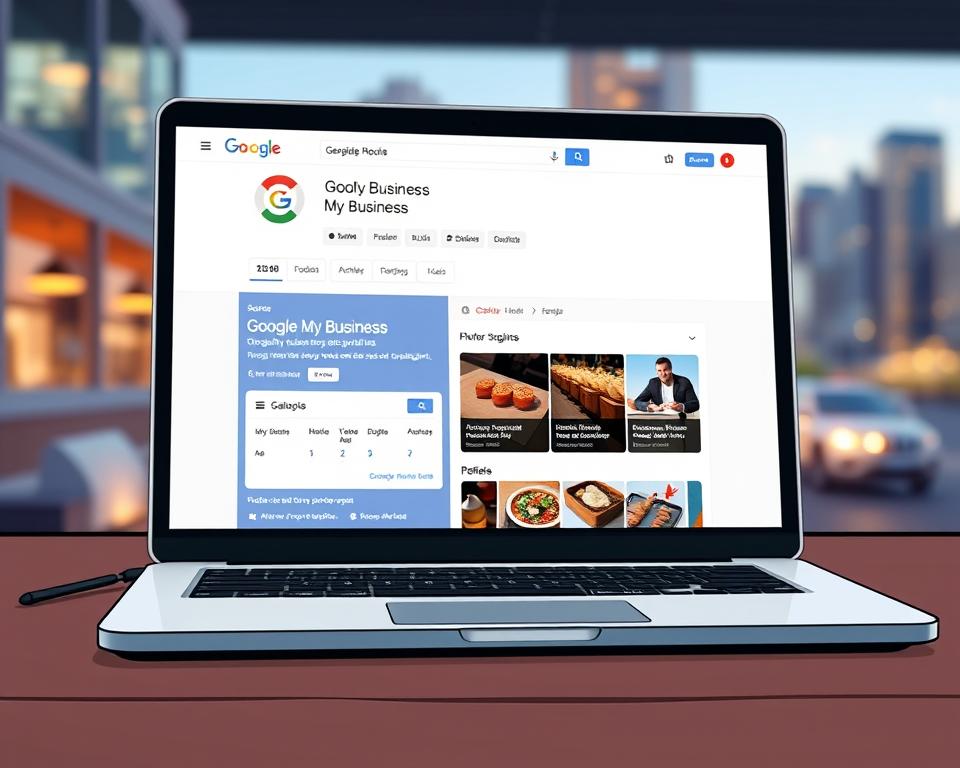
- Profiles with appointment links show higher action rates in platform insights.
- BrightLocal-style reports highlight that freshness and active features, like scheduling, correlate with increased views and actions.
- Tracking via UTMs and analytics reveals which appointment link best practices drive measurable bookings.
Clear metrics prioritize appointment scheduling optimization. Monitoring actions per view and refining appointment link best practices gives businesses a direct path to better local visibility and booking volume.
appointment link optimization GMB
Businesses looking to increase bookings need to know about appointment links on Google Business Profile. An appointment link is a direct call-to-action that leads users to a booking flow. It can lead to a third-party scheduling tool or your own booking page. Place the link in the dashboard to make scheduling easy for users.
What it is and scope
Google shows the appointment link among the action buttons. These include website, directions, and call options. It should link to a page for scheduling, not a generic homepage. Salons, dental clinics, spas, and medical practices often use this feature because their profile category shows they are ready for transactions.
Appointment vs. website links in Google
To Google, appointment links signal high conversion intent. They may appear as a prominent CTA on the profile. Website links typically reflect informational intent. Aligning the appointment link with your category increases its chance of being shown to booking-minded users.
Key performance indicators to track
- GMB Insights: appointment link clicks.
- Bookings tied to UTM-tagged sessions in GA4.
- Conversion rate and click-to-book time to surface friction.
- Bounce rate on the appointment page and steps-to-book completion.
- No-show percentage and revenue per booking.
Pairing GMB Insights with GA4 clarifies appointment link performance. Teams should improve landing pages, use UTMs, and check weekly trends. This helps refine GMB link SEO and Google My Business optimization. Accurate tracking guides optimizations to the GMB scheduling link and reduces drop-off.
Setting up appointment links correctly in Google My Business
First, claim and verify the Business Profile via Google.com/business. Make sure the business name, address, phone, and hours are correct and the same everywhere. Clean profiles reduce issues with the appointment button.
How to add or claim an appointment or scheduling link in the dashboard
Sign in to Business Profile Manager. If unclaimed, use the “Own this business?” flow. Once verified, add the booking URL or provider link and save.
Selecting supported platforms & linking
Google recognizes numerous booking partners as well as direct booking URLs. Pick a dependable, mobile-optimized platform. Mobile-test the link for stability prior to adding it.
Troubleshooting and verification
You must verify to manage features. You can verify by postcard, phone, or email, depending on your business type. No verification means you cannot add the appointment link.
- If the button is missing, check category and verification.
- Confirm the booking URL does not redirect through disallowed domains.
- Make sure the appointment page NAP matches the profile to prevent flags.
- Avoid unsupported platforms in sensitive niches that might lose features.
Effective link management requires post-update testing and ongoing monitoring. Audit settings, test booking flow, and re-verify upon request. This keeps appointment scheduling optimization working smoothly.
GMB link management best practices for appointment scheduling optimization
Begin with consistency for strong link management. Make sure the business name, address, and phone number on your appointment pages match your Google Business Profile. This helps Google trust your listing and keeps customers from getting confused when booking services.
It’s also crucial to keep your hours and holiday schedules the same on both your appointment page and Google My Business. Mismatches confuse callers and customers. Having consistent local phone numbers and clear contact details also improves user experience and Google My Business optimization.
Use UTM parameters and GA4 to track appointment link traffic. Include source/medium/campaign in the scheduling URL. This way, analytics can show where bookings start. Use GA4 events to record appointments and see which listings or posts lead to the most conversions.
- Keep a consistent UTM schema across posts/ads/links.
- Preserve UTMs through redirects to keep attribution intact.
- Map GA4 events to booking milestones such as “checkout” or “confirm”.
Update links and CTAs for seasonal offers/events. Create special appointment pages for holiday hours, promotions, or limited-time services. Point GMB posts and profile links to those pages. Accurate reporting depends on preserved UTMs and clean redirects.
Regular link testing supports best practices. Confirm mobile performance, correct details, and peak stability. Regular audits help keep your Google My Business optimized and booking smooth.
Keep a record of link changes, seasonal pages, and UTM conventions in a shared calendar or content sheet. That simplifies updates, preserves NAP accuracy, and enhances link performance over time.
Optimizing appointment link destinations for conversion
Your appointment link destination can make or break conversions. Pages must align with the profile and present clear booking paths. Include easily found hours and location details.
Elements that improve booking completion
Use simple headlines that match the Business Profile. Position a strong CTA above the fold. Keep forms brief and simple.
Reviews and trust badges increase confidence. A simple calendar picker also helps increase booking rates.
Reducing drop-off with mobile-first speed
Local searches are largely mobile. A mobile-first design makes buttons easy to tap. Maintain a smooth booking flow.
Use optimized media and fast hosts to keep pages quick. This reduces bounce rates and improves the GMB appointment link’s effectiveness.
Trust signals: reviews, clear pricing, and staff photos
Place recent reviews and ratings close to the form. Include clear pricing and team photos. This helps customers feel confident.
Geo-tagged GBP images also help. Trust elements reflect strong link optimization. They increase visitor confidence when they reach the appointment page.
Track conversions and iterate frequently. Small tweaks can make a big difference. Testing maintains alignment with user behavior and local trends.
GMB link SEO tactics to improve local ranking and click-throughs
Visibility rises when appointment pages match searcher intent. Using the right keywords in the page title, H1, meta description, and body helps with GMB link SEO. That way, the business name isn’t overloaded in GBP.
Relevance of keywords is crucial across pages and meta. Include city/service phrasing such as “Book a dental cleaning in Chicago”. This boosts appointment link optimization GMB and aligns with local search intent.
Internal links to the booking page improve authority. Add CTAs from service pages, the contact page, and the footer. Use anchor text like “Book a haircut in Austin” to show users and search engines the link’s purpose.
Schema makes booking details machine-readable. Use LocalBusiness and Service schema and the Appointment or Booking schema where needed. Include availability, priceRange, and booking URL to tie page data to profile actions.
- Use clear H1/meta aligned with GMB categories.
- Place internal links with descriptive anchors from key pages to the booking URL.
- Add structured data that includes service names, locations, and the booking link.
Using these techniques can boost rankings and CTR. Combined, they move users from results to bookings and support long-term goals.
Using photos, posts, & Q&A to promote links
Use photos, posts, and Q&A to increase bookings. Posting images and Google Posts regularly keeps your profile alive. Q&A resolves common questions and directs users to book.
Photos to build trust
Upload new, geo-tagged photos weekly. Show both inside and outside views. Photos of your team can make your business seem more trustworthy and engaging.
Posts with strong CTAs
Publish Google Posts once or twice weekly. Highlight specials, events, and hours. Include a “Book Now” link to the booking page. Holiday and local event posts can perform well.
Q&A that reduces friction
Address common questions to ease booking. Offer directions and point to the booking page. Monitor Q&A to correct inaccuracies and keep flow smooth.
- Vary photos to reflect seasons and updates.
- Align posts with events, launches, and promos.
- Seed Q&A with local keywords plus booking link.
Using these strategies can boost your local presence. Ongoing management and targeted optimization convert views into visits.
Managing reviews and reputation to improve appointment conversions
Your reputation strongly influences behavior. Positive reviews encourage bookings. Service/location mentions in reviews help local visibility.
Request service and location mentions in reviews. E.g., “teeth cleaning in Austin,” “massage near Brooklyn”. It clarifies offerings to Google and aids discovery.
Make it easy for customers to leave feedback. Include a review link after booking, via email, and on receipts. Many people will write a review if asked, so this can help more people book appointments.
Provide concise, polite review requests with the Google link. Marketing teams can set up automated workflows to ask for reviews after appointments. This keeps the review process connected to the booking process.
Reply to reviews quickly. Thankful replies to positive reviews build trust. For negative feedback, offer a calm solution and ask to talk offline. This shows you care and can make people more likely to book.
Monitor how reviews influence bookings. UTM-tag confirmation pages to attribute bookings to reviews. That reveals which messages work and what needs improvement.
Advanced: local backlinks & partnerships
Local backlinks boost the visibility of appointment pages in neighborhood searches. They improve booking link prominence. City-level links to booking URLs improve local relevance.
Target civic/community sites that list trusted vendors. Chambers of commerce, library event pages, and neighborhood associations often list partners. These can include the appointment URL, creating referrals and local backlinks.
Work with local directories and events to improve referrals. A short sponsor blurb on an event site or a featured listing in a regional directory can drive clicks. These efforts reflect appointment link best practices by keeping the booking URL visible where locals look for services.
Use PR and community sponsorship to get authoritative mentions in local news and trade outlets. Coverage linking to the booking page sends strong local signals. Marketing teams at agencies like Marketing1on1 can help secure high-value, hyper-local backlinks for GMB.
Maintain link quality by auditing partners and avoiding low-value directories. Focus on relevance, editorial context, and accurate contact details. This approach safeguards GMB link SEO and strengthens appointment link optimization GMB through trusted, city-level referrals.
Create quarterly goals: X city links, Y directories, Z media mentions. Measure referral clicks and conversion lifts to see which partners drive bookings. Apply insights to refine best practices and scale winners.
Monitoring and analytics for appointment link optimization GMB
Monitoring appointment link performance is essential. It helps local campaigns stay on track. Adopt a weekly routine to check clicks/engagement. That way, trends/spikes tied to promos or events are spotted quickly.
Key GMB Insights metrics
GMB Insights tracks views, searches, and actions. Clicking the appointment link records a unique action. Tracking clicks, calls, and directions shows how users interact.
Combine Insights with GA4 + UTMs
UTM-tag appointment links to track performance in GA4. Send booking completions as GA4 events. That enables tracking conversion rate, bounce, and more for real impact.
Weekly insights workflow
Weekly reviews help spot trends and campaign effects. If clicks fall, refresh photos or update a Google Post. On the other hand, if clicks rise during local events, you can quickly scale up your offers.
- Weekly summary: clicks, sessions, conversions.
- Cross-check Insights vs. GA4 to catch attribution gaps.
- Optimization list: update posts, test CTAs, refresh LP elements, rotate images.
This approach, used by Marketing1on1 and others, keeps link management on course. Combining Insights, GA4, and UTMs clarifies the path from views to bookings.
Wrapping up
A fully optimized Google Business Profile is a free, high-value channel for local customer acquisition. The appointment link turns search intent into bookings. It belongs in every local strategy targeting active US shoppers.
Completing your profile, using accurate NAP, and posting geo-tagged photos are all important. These support conversions around the appointment link. Ongoing optimization and verification reduce friction and build trust.
That improves foot traffic and leads. Use structured data, local backlinks, and weekly analytics to further improve visibility and bookings. Marketing1on1 and similar firms can execute these for measurable gains.
FAQ
What is an appointment link on a Google Business Profile and how does it work?
A GBP appointment link is a special booking URL. It enables customers to book straight from the profile. This link can go to a third-party booking site or a mobile-optimized page on the business’s site.